
Mole mapping is an advanced method of documenting and monitoring moles and pigmented lesions over time. At Skin Experts Poly Clinic in Dubai, we use the latest edition of the FotoFinder automated dermoscopic system, a globally recognized technology designed to support early detection of suspicious changes in the skin. This system combines high resolution imaging with intelligent software to create a precise, organized, and secure digital record of your skin.
Mole mapping is especially valuable for individuals with multiple moles, a personal or family history of skin cancer, or those who want a structured, professional approach to long term skin monitoring.
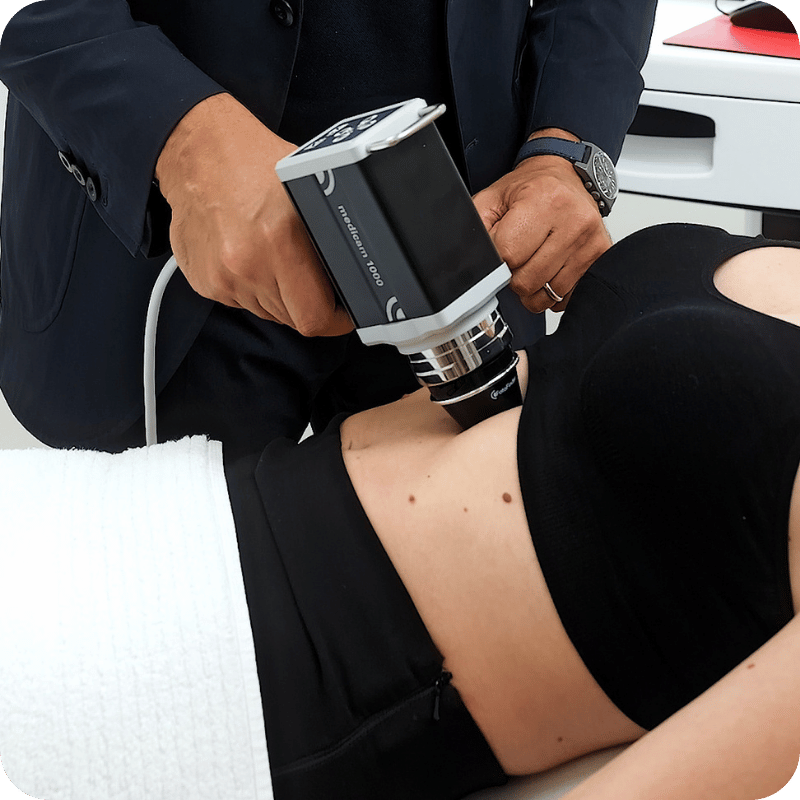
The process begins with standardized, high quality photographs of the skin.
Each mole or lesion is examined using dermoscopy, allowing visualization of structures not visible to the naked eye. The system stores these dermoscopic images alongside the body photographs.
All images are stored in a highly organized, encrypted system designed to maintain patient privacy and ensure long term accessibility for follow up visits.
According to American dermatology organizations, individuals may benefit from regular professional skin examinations, especially if they have:
Routine in clinic checks help ensure that any concerning changes are evaluated promptly by a qualified dermatologist.
Monthly self examinations help individuals notice new or changing lesions between professional visits.
While the latest FotoFinder system adds a powerful layer of precision, it does not replace the expertise of a dermatologist. Instead, it enhances the clinical process in several important ways:
Automated systems can highlight changes, but only a trained dermatologist can interpret these findings within the context of your medical history, skin type, and risk factors.
The updated software improves image clarity, comparison accuracy, and lesion tracking. This helps clinicians make more informed decisions, but the final assessment always relies on medical expertise.
FotoFinder provides a structured, long term record that supports continuity of care. This documentation is especially valuable for patients with many moles or complex skin patterns.
All images are stored securely, following strict privacy standards. Only authorized medical professionals can access your records.
The system is regularly updated to incorporate the latest technological advancements, ensuring ongoing improvements in accuracy and workflow efficiency.
Mole mapping is therefore best understood as a collaborative tool—a sophisticated extension of the dermatologist’s eye that enhances, but never replaces, clinical judgment.
Mole mapping is a digital method of photographing and tracking moles over time to identify new or changing lesions that may require professional evaluation.
It is especially helpful for individuals with many moles, atypical moles, a personal or family history of skin cancer, or those who want structured long term monitoring.
FotoFinder uses automated imaging, high resolution dermoscopy, and advanced comparison software to support accurate tracking and documentation.
No. Mole mapping is a monitoring tool. Only a dermatologist can diagnose skin conditions or determine whether a lesion needs further evaluation.
The frequency depends on individual risk factors. Many people benefit from periodic follow up imaging as part of their routine skin checks.
Self checks remain important. Monthly self exams help you notice changes between professional visits.
Yes. Mole mapping is non invasive and involves only photography and dermoscopic imaging.
Most sessions take between 20–45 minutes, depending on the number of moles and the level of detail required.
Yes. All images are stored securely in an encrypted system accessible only to authorized medical professionals.
Mole mapping supports early detection by highlighting changes, but diagnosis always requires clinical evaluation by a dermatologist.
Dermatologists at skinexerts polyclinic in Dubai combine decades of experience in examining moles and treating skin cancers. With the use of fotofinder device to closely examine moles, our dermatologist are able to provide state-of-art approach to mole management, removing lesions at risk with excellent surgical results and customized monitoring schedule.
 +971 54 505 3003
  info@skinexperts.ae
  Jumeirah 2, Dubai, UAE